
Backcountry
Backcountry fly fishing from Queenstown
Walk in to clear valley rivers that see few anglers. Fish a long day from the road end, or stay out overnight and reach water that day trips never touch.
What a backcountry trip involves
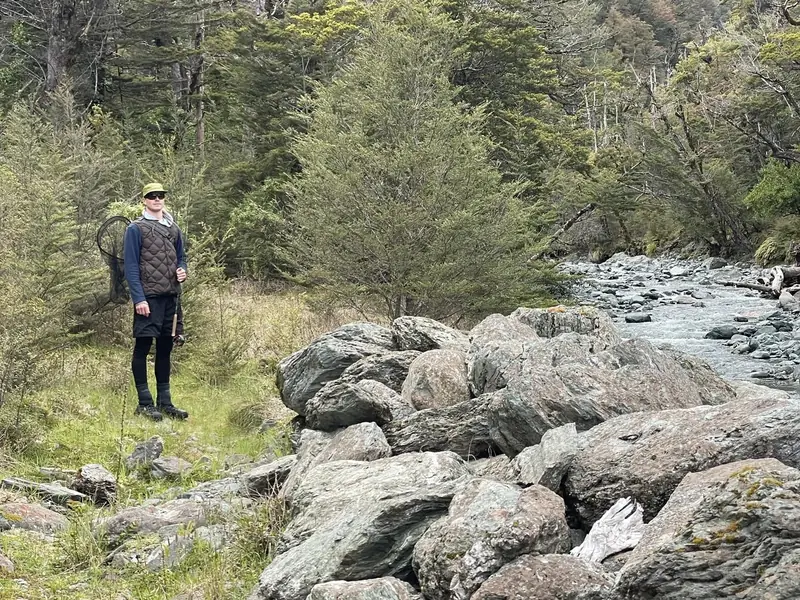
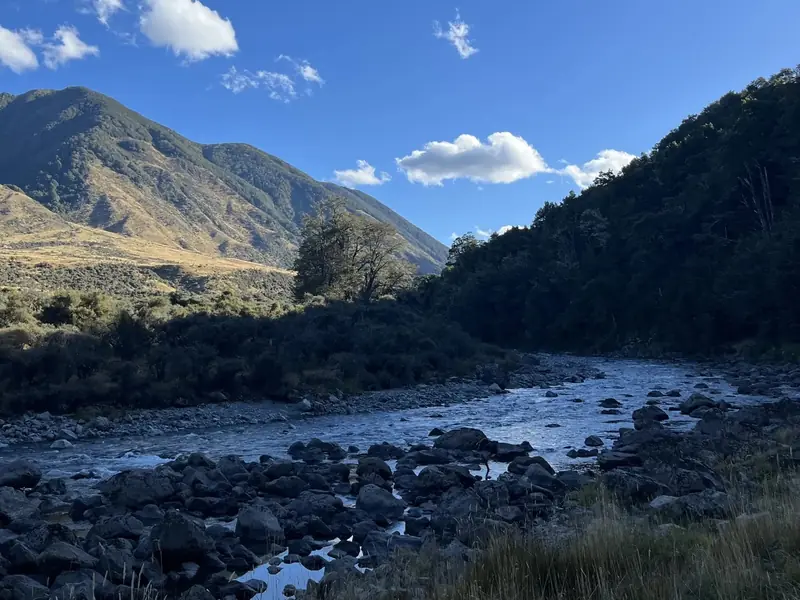
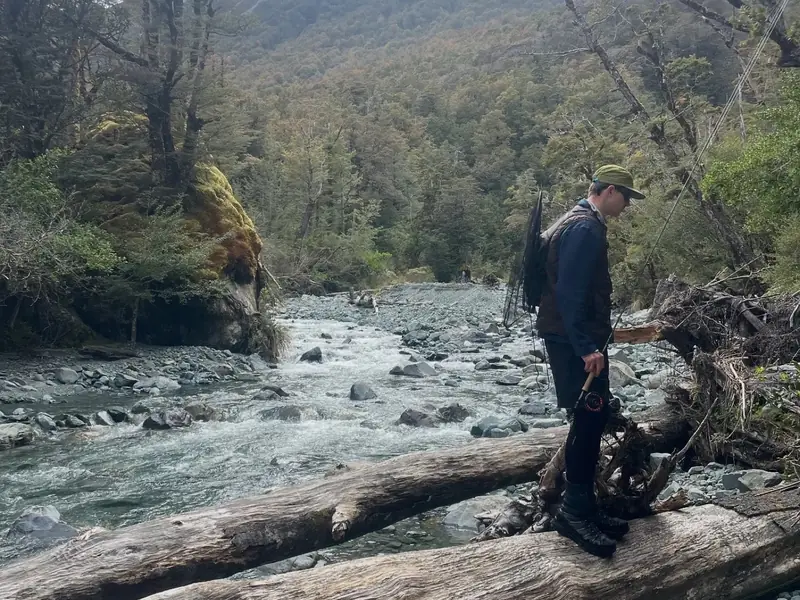
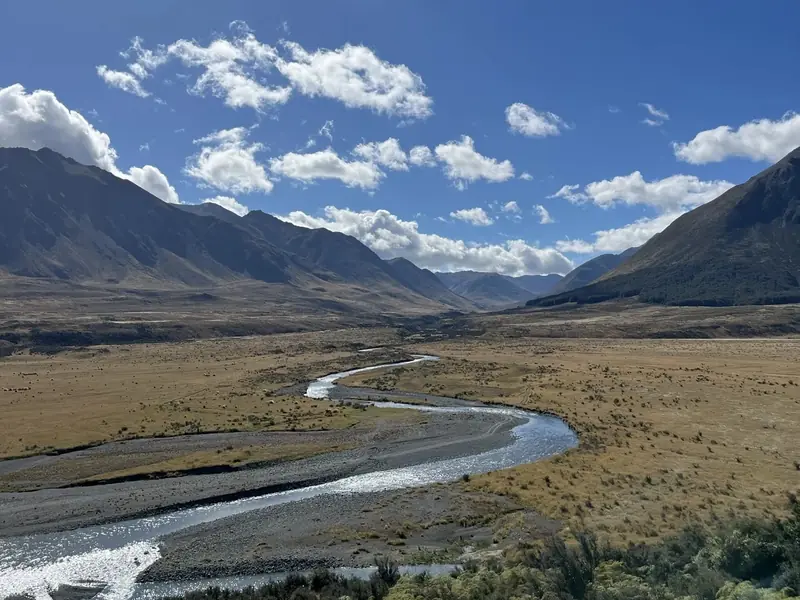
Backcountry fishing here means leaving the car behind. Your guide drives you to a road end, often past Glenorchy, and you walk into a valley where the river runs clear over stone. From there you fish your way upstream, spotting trout one at a time.
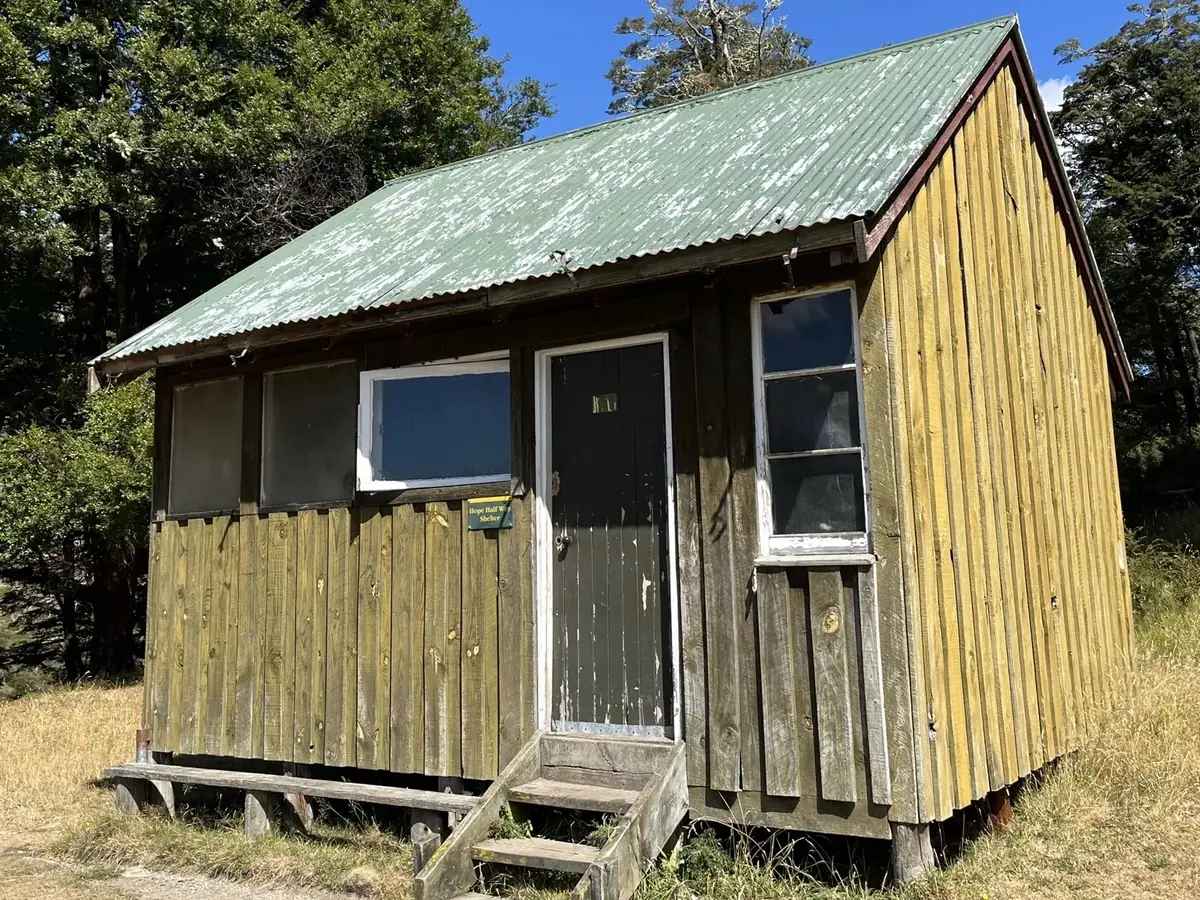
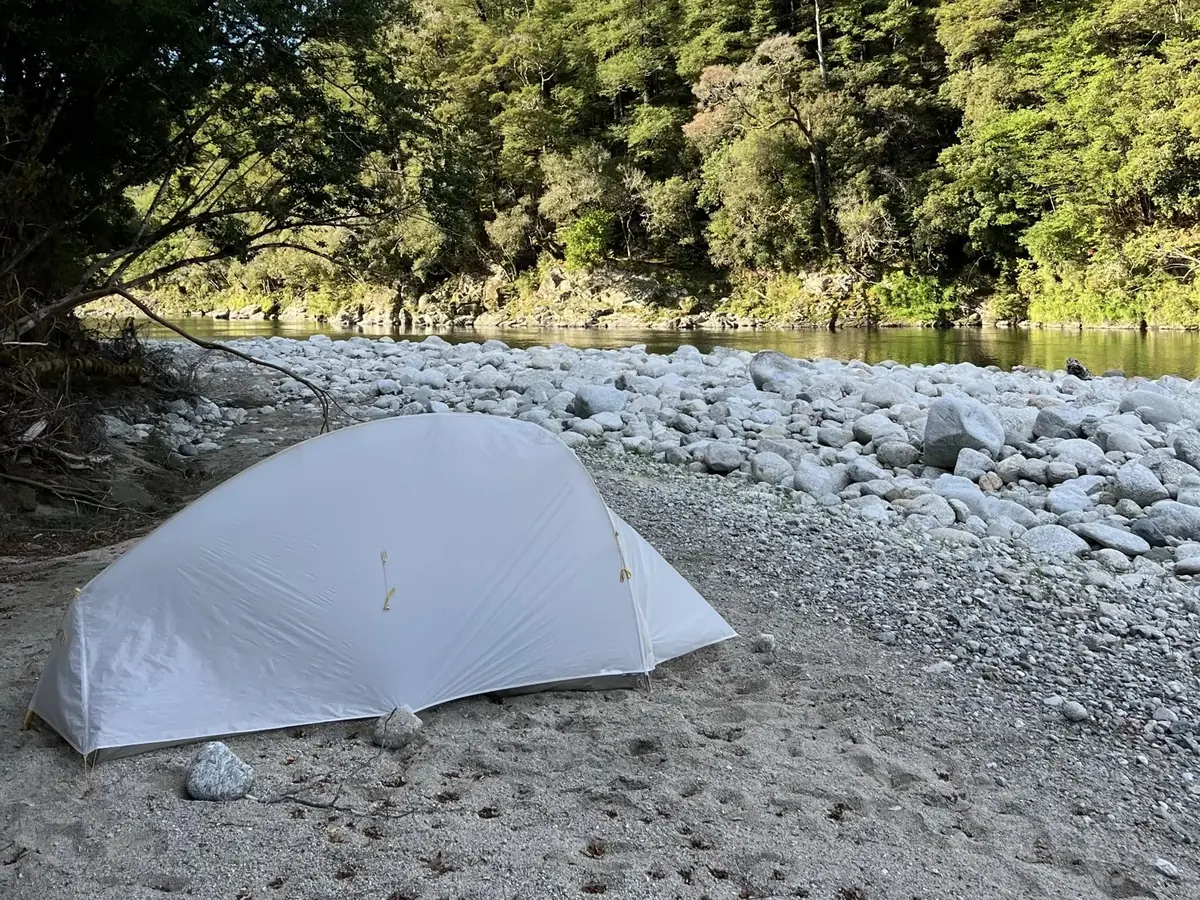
There are two ways to do it. A long day walks in, fishes and walks out again. An overnight or multi-day trip goes further up the valley and stays in a Department of Conservation hut or a camp, so you can fish water that a day walk can't reach.
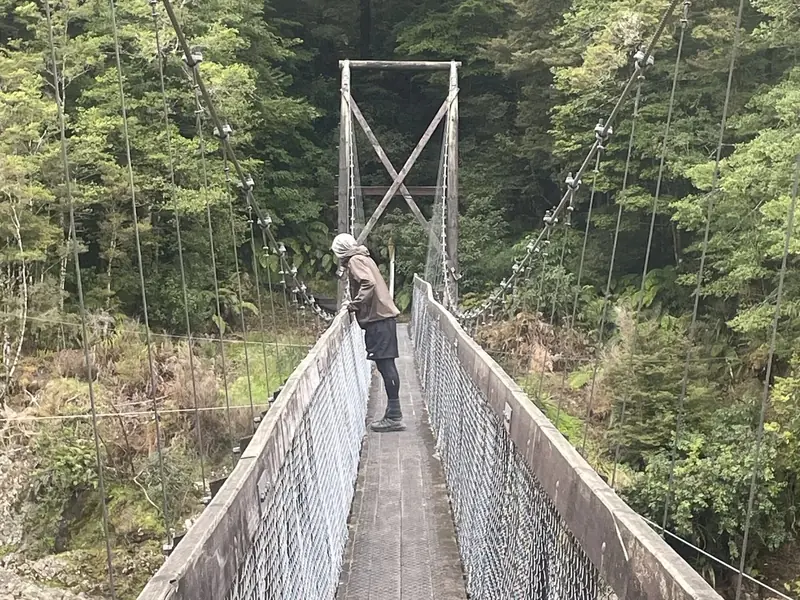
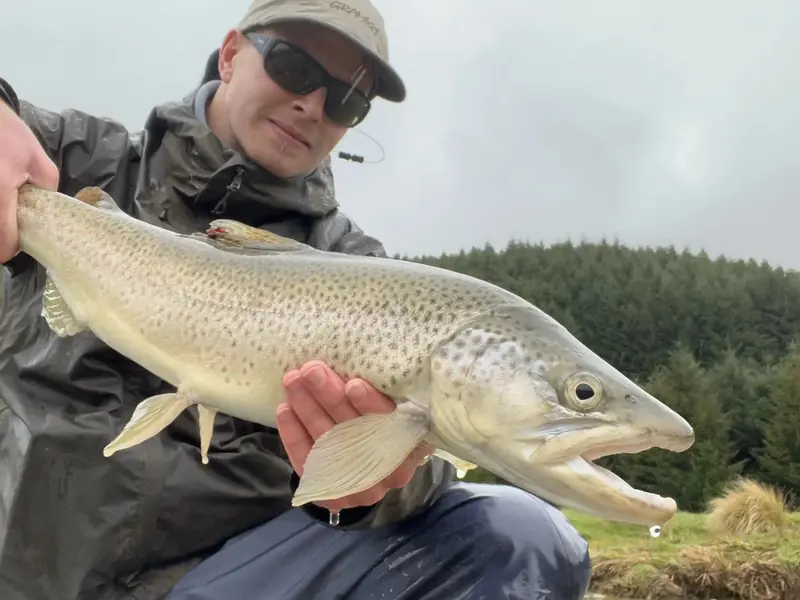
This is the most physical of the three trips, and the most remote. Guides carry a personal locator beacon, because there's no phone signal in most of these valleys. You'll walk on rough tracks, cross side streams and spend the day on your feet. In return you get quiet water and big, wild trout.
Otago backcountry waters
- Greenstone and Caples: fly only, single-point hooks, 1 Nov to 31 May. DOC huts in both valleys, shared with trampers.
- Lochy: fly only, catch and release above Disputed Creek.
- Von: opens 1 November.
- Nevis: high-country river on a gravel road, fly only, voluntary beat system, 1 Oct to 30 Apr. No fish over 400 mm may be kept.
- Young and Wilkin: Designated Waters in the Makarora headwaters, north of Wānaka.
- Matukituki: the big valley west of Wānaka, below Mount Aspiring.
Some of these are a long walk from the nearest road, which is why they're also popular by helicopter.
Is it for you?
Who backcountry trips suit
You should be happy walking for several hours on uneven ground, with river crossings and a pack. Overnight trips mean carrying more, and a night or two in basic shared huts. Tell the guide honestly about your fitness and any injuries. They'll match the walk to you.
Casting matters more here than on a drive-in day. Backcountry trout are wary and often give one good shot. If you're newer to fly fishing, a day trip first is usually the better plan.
On foot or by helicopter?
Walking in costs far less than a heli day and gives you the whole valley, not just the stretch below a landing spot. Flying in saves the walk and reaches headwaters that are days from a road end. If time matters more than budget, look at heli fishing.
Licence warning
Most backcountry rivers are Designated Waters
The Greenstone, Caples, Lochy, Nevis, Young and Wilkin are Designated Waters. A regular day licence isn't valid there. Overseas visitors need a non-resident whole-season licence (NZ$273) plus a Designated Waters day licence (NZ$40) for each day fished.
The upper Greenstone, from the Sly Burn to Lake McKellar, is a controlled fishery from 1 February to 31 March. You need a free controlled-period booking as well, and only 180 are issued.
Full details are in the licence guide.
Source: Sports Fish Licences, Fees, and Forms Notice 2026; Otago Fish & Game regulations 2026/27. Prices include GST.
FAQ
Backcountry questions
How fit do I need to be for backcountry fishing?
Where do we sleep on an overnight trip?
Do I need a special licence?
Is there phone coverage?
Got a question we haven't answered? Ask a local guide directly.
Talk to a real person
Check guide availability for the 2026/27 season
Tell us your dates and how many of you are fishing. A local guide will come back with availability and a price. No obligation, and a real person replies.
Peak dates from December to March book out early